Jewelry & watches

Which Sapphire Colour Looks Best on You Without Turning Too Dark Indoors ?
A sapphire pendant can look beautifully blue in a jewellery shop yet appear almost black during dinner at home. The difference often comes down to the stone’s tone, saturation, cut and the light available around it. Choosing the darkest sapphire…
Read more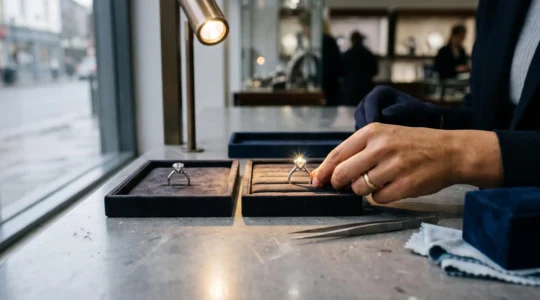
What Makes a Solitaire Diamond Ring Look Bright in Real Life, Not Just in the Shop ?
A solitaire diamond ring can look spectacular beneath a jeweller’s spotlights, then surprisingly restrained on the way home. That difference does not necessarily mean the diamond is poor quality. Diamond appearance changes with its lighting environment, the angle of observation…
Read more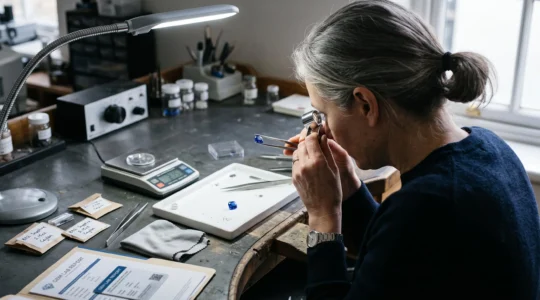
How Can You Use Gemology Basics to Avoid Overpaying for Coloured Stones ?
Two blue sapphires can look almost identical beneath a jewellery boutique’s spotlights while carrying very different price tags. The explanation may involve natural origin, heat treatment, microscopic characteristics or cutting quality. Sometimes, however, the difference reflects the retailer’s pricing rather…
Read more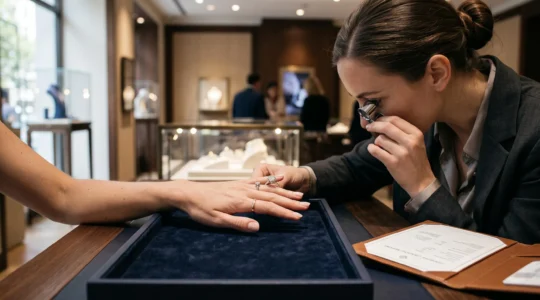
What Should You Look for in High Jewellery Besides Carat Weight and Price ?
A magnificent gemstone can command attention in a display case yet disappoint when worn. Another, considerably smaller, may reveal extraordinary precision, balanced proportions and an ease of movement that makes it more compelling. Understanding the difference is central to buying…
Read more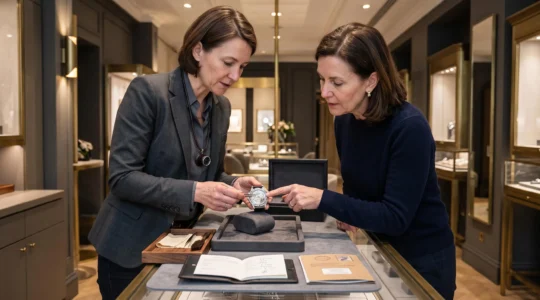
How Do You Judge Craftsmanship in Horology and Fine Jewellery Without Being an Expert ?
A luxury watch can display an impressive movement through a sapphire caseback, while a diamond ring can sparkle convincingly beneath boutique lighting. Neither impression tells you enough about how well the object has been made, how comfortably it will wear…
Read more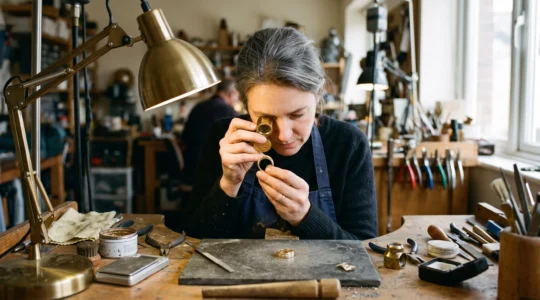
Which Precious Metals Make the Most Sense for Jewellery You Wear Every Day ?
The best precious metal for everyday jewellery is not necessarily the purest, most expensive or shiniest. A ring worn through commuting, handwashing and household tasks faces different demands from earrings worn for a few hours. Gold fineness, alloy composition, construction…
Read more