Blog
Fashion, shopping, and jewelry are three subjects that naturally belong together. Clothing expresses personality, shopping is the process through which we bring pieces into our lives, and jewelry adds the finishing touch that often carries the most meaning. Yet for many people, these areas feel intimidating: trends change quickly, prices vary enormously, and the vocabulary around materials and craftsmanship can be confusing. This pillar page is designed to give you a clear, reassuring foundation. Whether you are refreshing your wardrobe, buying your first fine jewelry piece, or simply trying to shop intentionally, the sections below explain the essential concepts, connect them to one, and answer the questions readers ask most often.
Understanding Fashion as a Personal System
Fashion is often reduced to trends, but at its most useful level, it is a personal system: a set of garments, colors, and silhouettes that work together and reflect who you are. Beginners frequently feel pressure to chase every new season, but the most stylish people tend to build around stable elements first.
A helpful way to think about it is the analogy of a house. Trends are the decoration you rearrange from time to time; your foundational pieces are the walls and the roof. If the structure is sound, decorating becomes easy and low-risk.
Building a Foundation
A functional wardrobe does not require dozens of items. It requires the right items. Consider the following checklist:
- Well-fitting basics in neutral colors that mix easily with everything else you own.
- One or two statement pieces that express your personality without clashing with your basics.
- Seasonal layers appropriate to your climate, so outfits work across the year.
- Properly fitted shoes and outerwear, since these shape the overall impression more than most people realize.
Fit matters more than price. An inexpensive garment that fits your body well will almost always look better than a costly piece that does not. If a piece matters to you, a small alteration budget is often the best money you can spend.
Shopping Smarter, Not Just More
Shopping is a skill, and like any skill it improves with a little method. The goal is not to buy less for its own sake, but to buy with intention so that every purchase earns its place in your life.
Questions to Ask Before Any Purchase
- Where will I actually wear this? If you cannot picture at least three concrete occasions, pause.
- Does it combine with what I already own? A piece that pairs with several existing items delivers far more value than a beautiful orphan.
- What is it made of? Materials determine comfort, durability, and care requirements.
- What is my total cost per wear? A versatile coat worn hundreds of times may be a better investment than a cheap top worn twice.
This simple sequence turns impulse into evaluation. It also protects you from one of the most common traps: buying for an imaginary version of your life rather than the one you actually live.
Understanding Quality Signals
You do not need to be an expert to evaluate quality. A few reliable signals go a long way:
- Seams and stitching: even, straight, and reinforced at stress points.
- Fabric weight and feel: natural fibers such as cotton, wool, linen, and silk generally breathe better and age more gracefully.
- Hardware: on bags and jackets, solid zippers and clasps indicate the maker cared about the details.
- Transparency: brands willing to explain their materials and sourcing usually have fewer things to hide.
Jewelry: Meaning Worn Close to the Skin
Jewelry occupies a special place in fashion because it is both decorative and personal. A ring or a pendant can commemorate a milestone, express identity, or simply brighten a daily outfit. For beginners, the world of jewelry can seem opaque, full of technical terms about metals and stones. In reality, a handful of concepts covers most situations.
Know Your Metals
The metal is the backbone of any jewelry piece, and understanding the main families helps you match a purchase to your budget and lifestyle:
- Gold: measured in karats. Higher karat means a higher gold content, which is softer and richer in color; lower karat alloys are more durable for everyday wear.
- Sterling silver: affordable and versatile, but it tarnishes and needs occasional polishing.
- Platinum: dense, hypoallergenic, and extremely durable, which explains its higher price.
- Gold vermeil and plated pieces: a layer of gold over a base metal. Attractive and budget-friendly, but the plating wears over time, especially on rings.
A practical example: if you never remove your jewelry, a lower-karat gold or platinum piece will serve you better than a delicate high-karat design that will scratch and bend. If you rotate your pieces often, silver and vermeil become excellent, affordable choices.
Gemstones Without the Jargon
When evaluating a stone, professionals look at a few core characteristics: color, clarity, cut, and weight. You do not need to memorize grading scales to shop well. Simply remember that the cut has the greatest visible impact on beauty: a well-cut stone reflects light evenly and looks lively, while a poorly cut one looks dull regardless of its other qualities. Always ask whether a stone is natural, lab-grown, or an imitation. All three can be legitimate choices; the problem only arises when the nature of the stone is unclear.
Connecting the Three: Style, Purchase, and Longevity
These three domains reinforce one another. Good fashion sense tells you which jewelry and garments fit your life. Disciplined shopping ensures you acquire them at fair value. Basic care knowledge keeps them beautiful for years. A useful mental model is to treat your wardrobe and jewelry box as a small portfolio: diversify across everyday pieces and occasional treasures, and maintain what you already hold before acquiring more.
Caring for What You Own
Longevity is the most underrated aspect of style. Simple habits extend the life of both clothing and jewelry:
- Store jewelry separately so pieces do not scratch one another, ideally in soft pouches or a lined box.
- Put jewelry on after applying perfume, lotion, or hairspray, since chemicals accelerate tarnish and dull stones.
- Wash garments at lower temperatures and air-dry when possible; heat and agitation wear fibers out fastest.
- Rotate shoes and bags rather than using the same pair daily, giving materials time to rest and recover.
- Keep receipts and certificates for fine jewelry; they matter for resale, repair, and insurance.
Shopping Online Versus In Person
Online shopping offers choice, comparison tools, and reviews; in-person shopping offers touch, fit, and immediate answers. Neither is strictly better. For items where feel and fit dominate, such as shoes, tailored clothing, or significant jewelry purchases, seeing a piece in person or ordering with a generous return window is wise. For basics, replacements, and well-known brands, online purchasing is usually efficient and safe, provided you read the size chart and the return policy carefully.
When buying jewelry online, look for clear photographs from multiple angles, exact material descriptions, dimensions in millimeters rather than vague adjectives, and a written return policy. Reputable sellers answer questions gladly; hesitation to specify materials is a warning sign.
Common Questions from Readers
How do I start if my wardrobe feels chaotic?
Begin by taking everything out and sorting into three groups: love and wear, love but never wear, and neither. Keep the first group, identify why the second is unworn, and let the third go. Your future purchases then respond to real gaps instead of guesses.
Is expensive jewelry always better?
No. Price reflects materials, labor, brand, and market positioning. A simple, well-made sterling silver piece from an independent maker can outlast a mass-produced gold-plated item sold at a premium. Judge pieces on construction and suitability for your habits.
How much should I spend on a first fine jewelry piece?
Spend what you can afford comfortably and what matches the emotional importance of the piece. A modest, durable item worn daily often brings more satisfaction than a costly one kept in a drawer. There is no minimum threshold for jewelry to be meaningful.
How do I follow trends without wasting money?
Adopt trends through inexpensive or borrowed items first. If a trend still appeals after a season, invest in a higher-quality interpretation. This staged approach lets fashion stay fun without destabilizing your wardrobe or budget.
A Reassuring Way Forward
Fashion, shopping, and jewelry reward curiosity more than expertise. Start with fundamentals: understand what suits your life, evaluate purchases with a few simple questions, learn the basics of materials, and care for what you own. Over time, these habits compound, and getting dressed becomes less about effort and more about expression. The articles in this category go deeper into each of these areas, and this page will serve as your map for navigating them.
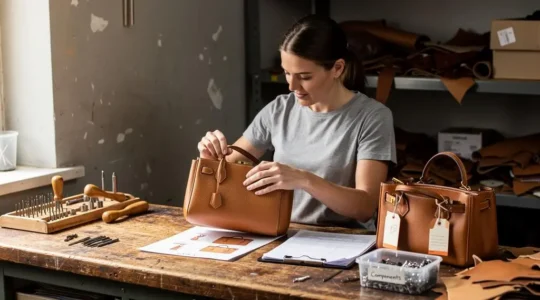
Where Do Supply Chains Break Down in Luxury, and Why Should UK Buyers Care ?
A luxury handbag may be assembled in Italy using leather processed elsewhere, hardware supplied by another manufacturer and raw materials sourced from several countries. The finished product carries one brand name, but its production history involves businesses that consumers rarely…
Read more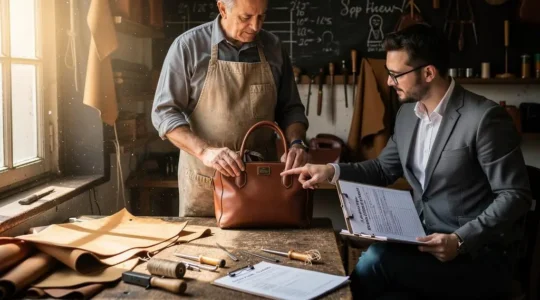
How Can You Check Ethical Sourcing Claims Without Falling for Greenwashing ?
A luxury handbag described as responsibly sourced may come with a compelling story about craftsmanship, heritage and carefully selected materials. Yet none of those descriptions automatically establishes where its leather originated, how its workers were paid or whether its production…
Read more
How Can You Improve Self-Presentation With Clothes Without Feeling Fake ?
Improving self-presentation through clothes does not mean inventing a professional persona. It means making deliberate choices about which aspects of your personality, experience and intentions become visible before you speak. In a job interview, client presentation or leadership meeting, your…
Read more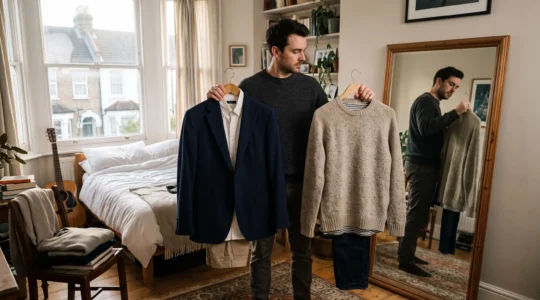
How Does What You Wear Change How People Treat You at Work and Socially ?
Two people can make equally valuable contributions in a meeting yet receive different initial reactions. Sometimes, part of that difference comes from how they present themselves. Clothing provides visible information before anyone has heard an explanation of their abilities, personality…
Read more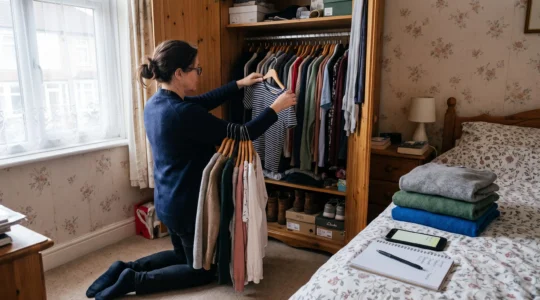
How Can You Promote Sustainability Through Your Wardrobe Without Buying More Stuff ?
A more sustainable wardrobe does not necessarily contain more sustainable products. It contains clothes that are worn, maintained, repaired and replaced only when there is a genuine reason to do so. For UK shoppers tired of eco collections, capsule wardrobe…
Read more